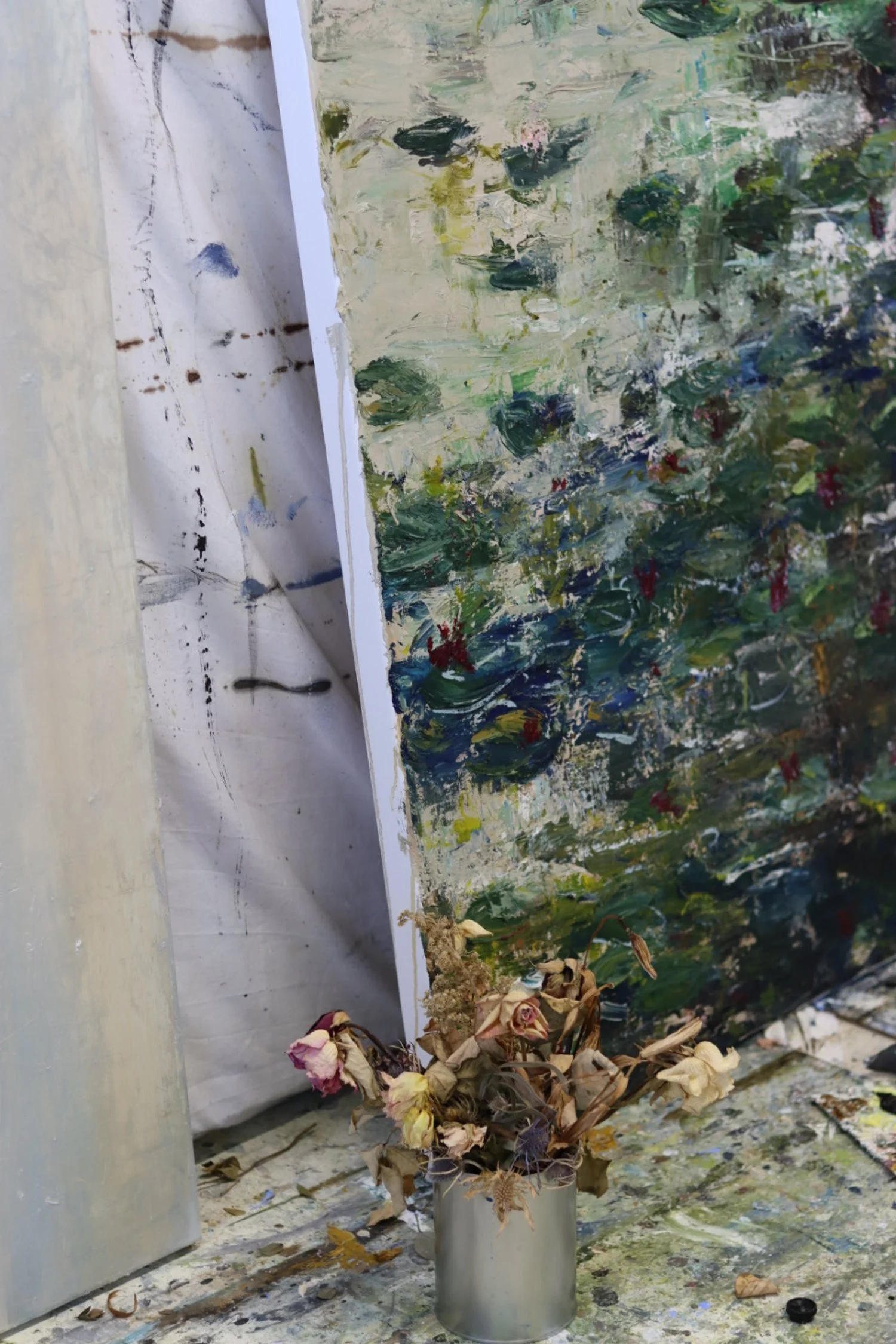
Alla prima is often described in practical terms. Wet paint laid into wet paint. A painting completed in a single sitting. Speed. Freshness. Confidence. Much of my work is painted like this.
These descriptions are not inaccurate, but they are incomplete.
For me, alla prima is less a method than a mindset. It is not simply about how paint is applied, but about how decisions are made, and how they are relinquished once made. It demands a particular relationship with uncertainty, one that cannot be faked and cannot be rushed into.
Working alla prima requires a willingness to commit without knowing the outcome. Each mark exists in relation to the one before it, and each decision narrows the field of possibility. There is no pause for correction, no clean slate waiting underneath. What is done remains present, influencing everything that follows. This is where the discipline begins.
Early on, I was drawn to alla prima for its immediacy. The physicality of it. The sense that the painting could arrive quickly, without becoming overburdened. I admired painters whose work felt alive on the surface, where marks retained their energy and decisions were visible. What I underestimated was how demanding this way of working would be. Without the safety net of layering and revision, hesitation becomes visible. Overthinking shows itself immediately. A lack of clarity cannot be hidden. Alla prima exposes everything. At first, this felt unforgiving. Paintings fell apart quickly. Colours became muddy. Surfaces collapsed under their own weight. It was tempting to retreat into more controlled methods, to slow everything down and protect the work from risk. But something about alla prima continued to draw me back. I began to realise that the difficulty was the point. This approach demanded a different kind of attention. Not the careful, incremental attention of refinement, but the alert, responsive attention of presence. You cannot drift while working wet into wet. The painting requires you to stay with it completely. This way of working has reshaped how I think about control.
In alla prima, control does not come from dominance over the material. It comes from understanding its behaviour well enough to trust it. Oil paint has its own logic. It blends, resists, slides, holds. Learning to work with these tendencies rather than against them is essential. This has taught me to make fewer decisions, but to make them more clearly. When time is limited and the surface is open, there is no room for unnecessary complication. Every mark must earn its place. If something is added out of habit rather than necessity, it will immediately disrupt the balance of the painting. In this sense, alla prima encourages restraint as much as boldness. Letting go, then, is not about looseness for its own sake. It is about releasing the desire to over explain. To fix. To justify. The painting either holds together or it does not. This can be uncomfortable, particularly in a culture that values polish and resolution. There is a temptation to tidy, to smooth, to clarify. But clarity achieved through overworking is brittle. It closes the painting down.
The discipline of letting go is about recognising when the painting has reached a point of equilibrium, even if that equilibrium feels precarious.
I have learned that a painting does not need to answer every question it raises. In fact, it is often stronger when it does not. Ambiguity allows the work to remain open, both to the viewer and to time.
This openness is one of the reasons alla prima continues to feel relevant to my practice now, particularly in the context of limited studio time. Working in shorter sessions has sharpened my instincts. There is less opportunity to circle around a problem. Decisions must be made and accepted. If something does not work, it becomes part of the learning rather than something to be erased.
Failure, in this context, is not dramatic. It is quiet. A painting that never quite arrives. A surface that loses its energy. These works are not wasted. They carry information. They reveal where attention wavered or where trust faltered. I keep many of these paintings. They are reminders of the line between decisiveness and force. Between confidence and insistence.
Alla prima also changes how I experience time while painting. Sessions are intense, compressed. There is a sense of urgency, not in a panicked sense, but in an attentive one. The paint is alive. It is moving. You are working within a window that will not remain open indefinitely. This creates a rhythm that feels closely aligned with the rhythms of life more broadly. Moments of intensity followed by pauses. Concentration followed by release. The painting mirrors the conditions under which it is made. In this way, alla prima has become not just a technical choice, but an ethical one. It reflects a way of working that values presence over perfection, responsiveness over control. There is also a humility inherent in this approach. Once a mark is made, it cannot be undone without consequence. You learn to accept what has happened and respond to it, rather than wishing it were different. This acceptance extends beyond the studio. It influences how I approach other aspects of my practice. Exhibitions, for example, become moments of release rather than judgement. The work is what it is at that point in time. It does not need to be defended or over contextualised.
Collectors often respond to this quality. Paintings made alla prima tend to carry their history on the surface. Decisions are visible. Adjustments are not hidden. This transparency invites engagement. It allows the viewer to sense the process without being instructed. Living with such work requires a similar discipline. The painting does not perform. It does not resolve itself immediately. It asks for time.
Over the years, my relationship with alla prima has softened. I no longer feel the need to prove anything through speed or bravura. Some paintings take more than one session. Others are set aside and returned to. What remains consistent is the commitment to working directly, without excessive mediation.
Letting go does not mean abandoning care. It means trusting that care can coexist with restraint.
There are days when alla prima feels effortless. The painting arrives quickly. Decisions fall into place. These days are rare, and I no longer chase them. More often, the work involves navigating uncertainty, staying attentive through discomfort, and stopping before the surface collapses. Stopping is perhaps the most difficult discipline of all. In alla prima, the temptation to keep going is strong. The surface remains open. Possibilities continue to suggest themselves. Knowing when to step away requires listening rather than acting. I have learned to watch for certain signs. When the painting begins to repeat itself. When marks become explanatory rather than responsive. When the desire to improve overtakes the desire to listen.
These are moments to stop.
Letting go, in this sense, is not a single act, but a series of small refusals. Refusing to overwork. Refusing to resolve everything. Refusing to dominate the painting with intention. What remains is something quieter, but more durable.
Alla prima has taught me that seriousness in painting does not come from labouring endlessly over a surface. It comes from showing up fully, responding honestly, and accepting the limits of what can be done in a given moment. This way of working aligns with how I now understand a sustainable practice. One that accommodates change, interruption and uncertainty without losing its core. The discipline of letting go is not about ease. It is about trust. Trust in the material. Trust in the process. Trust that what is left unsaid can still hold meaning.
Painting, after all, is not about control. It is about attention. Alla prima simply refuses to let you forget that.

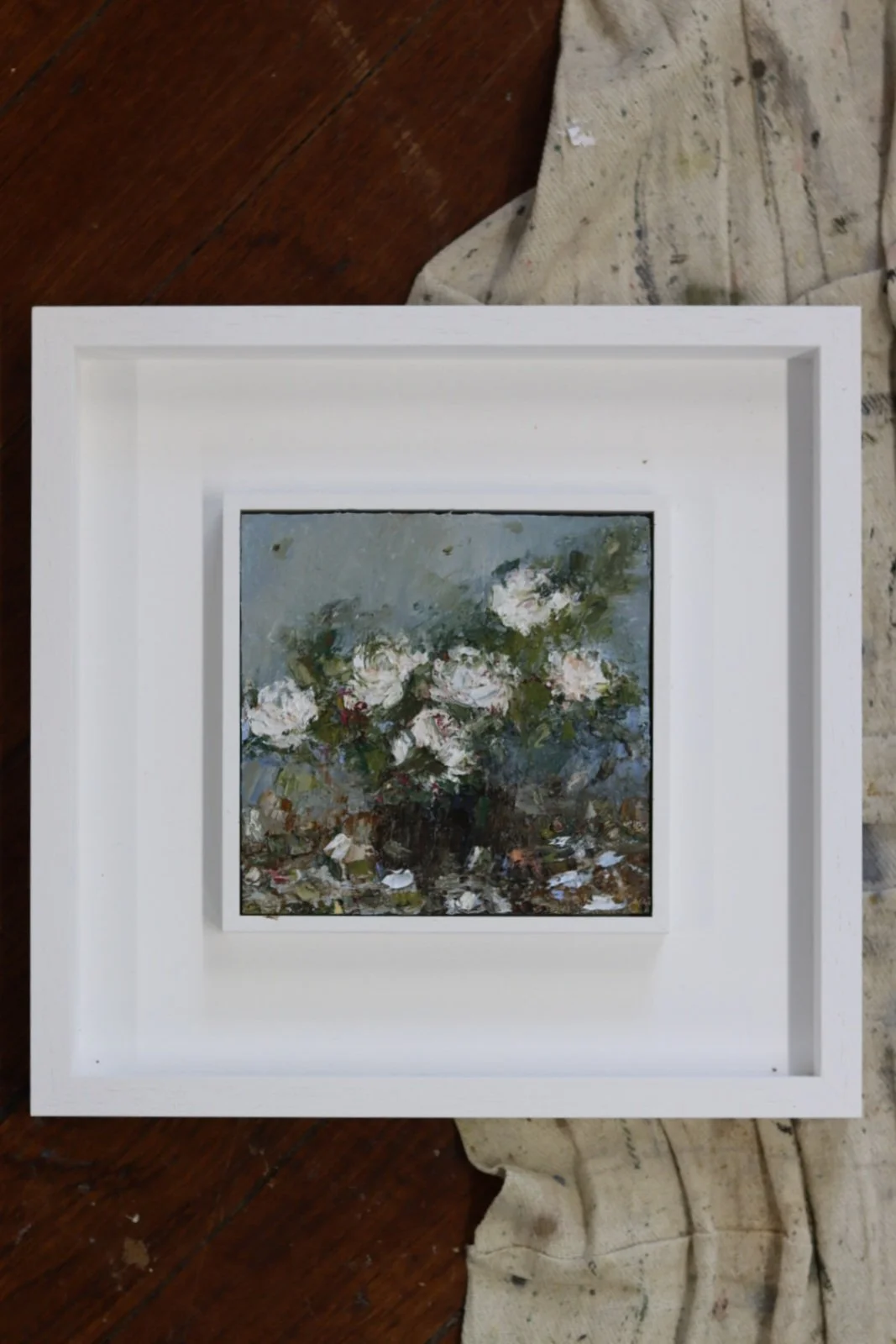

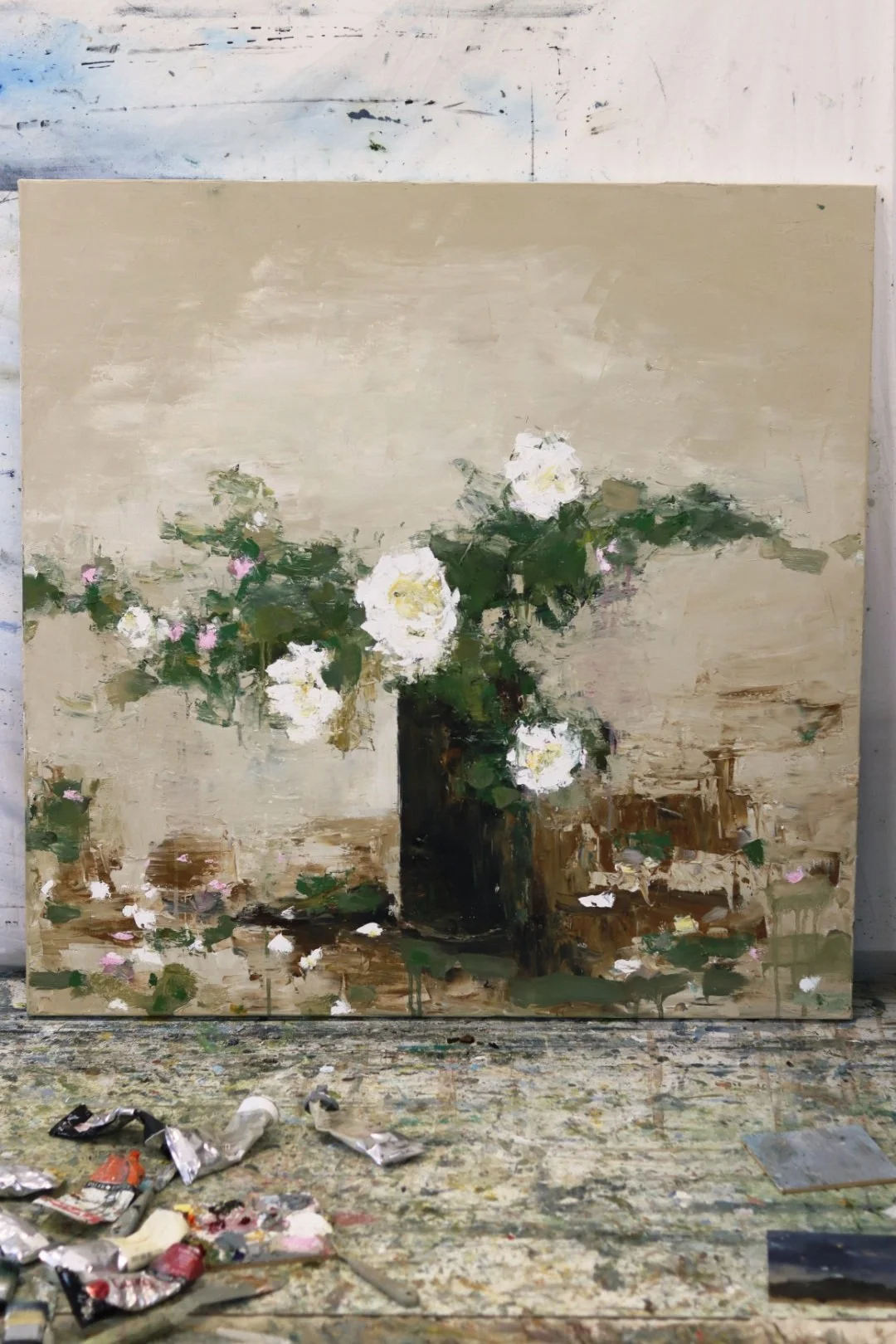
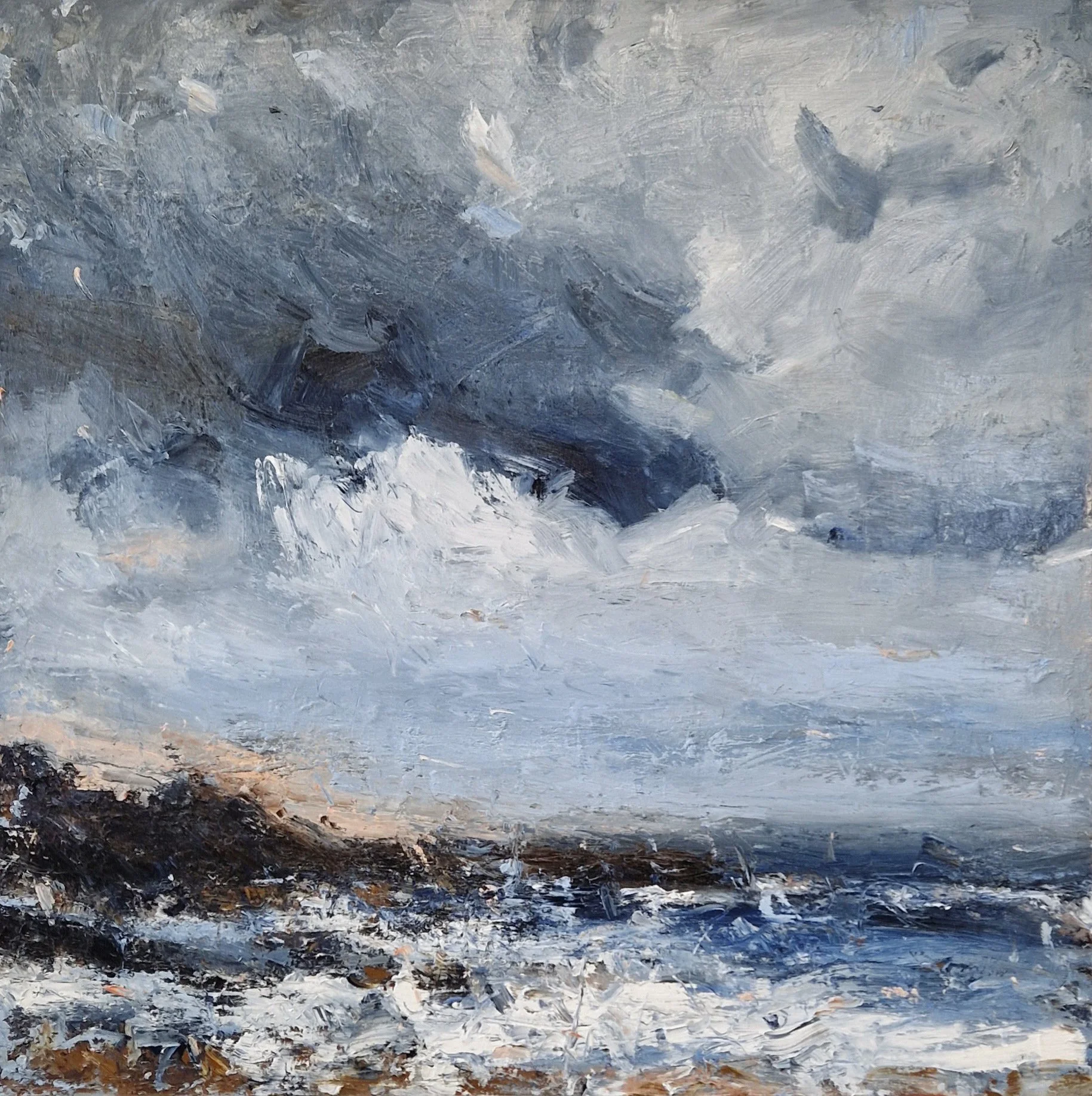
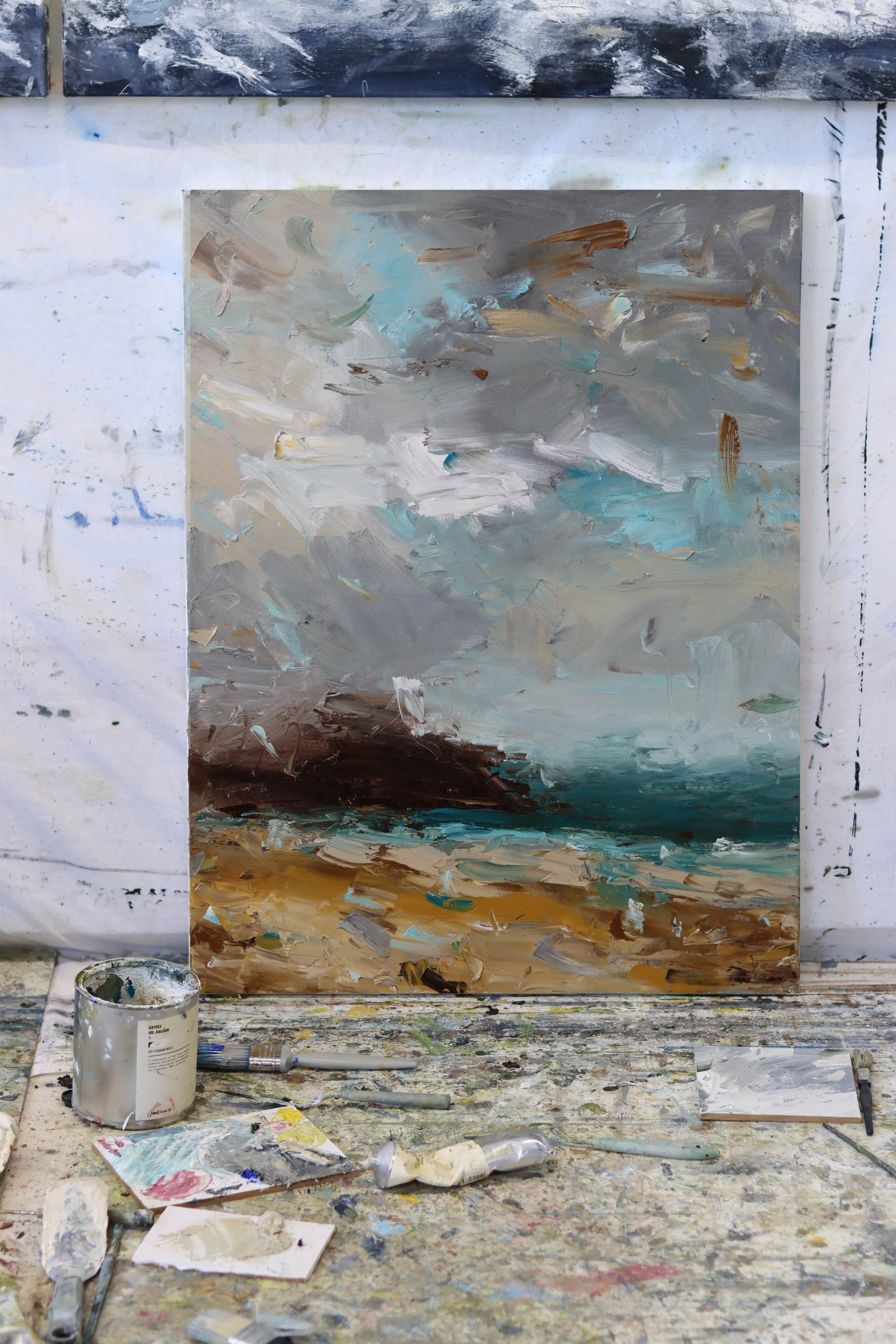
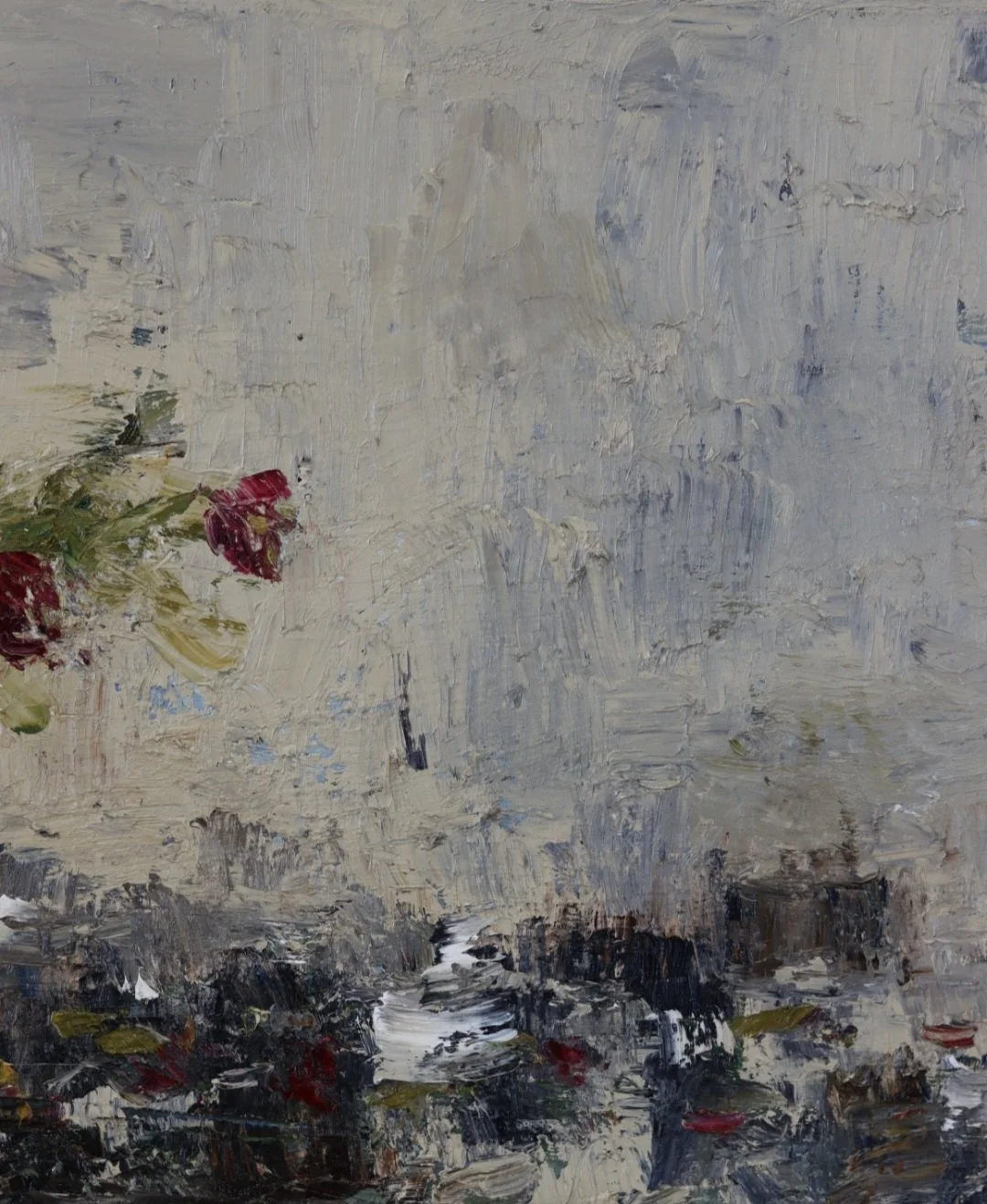
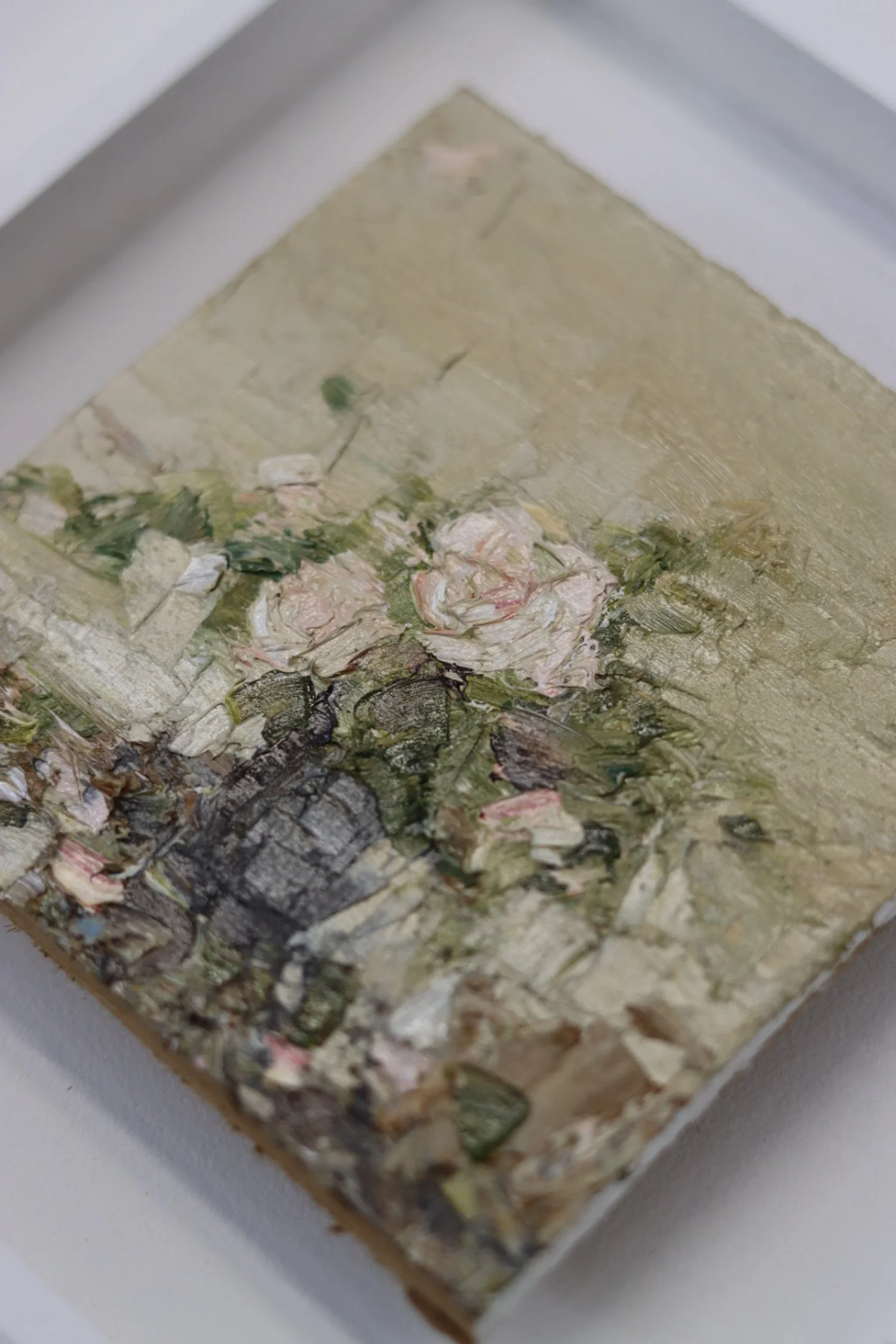
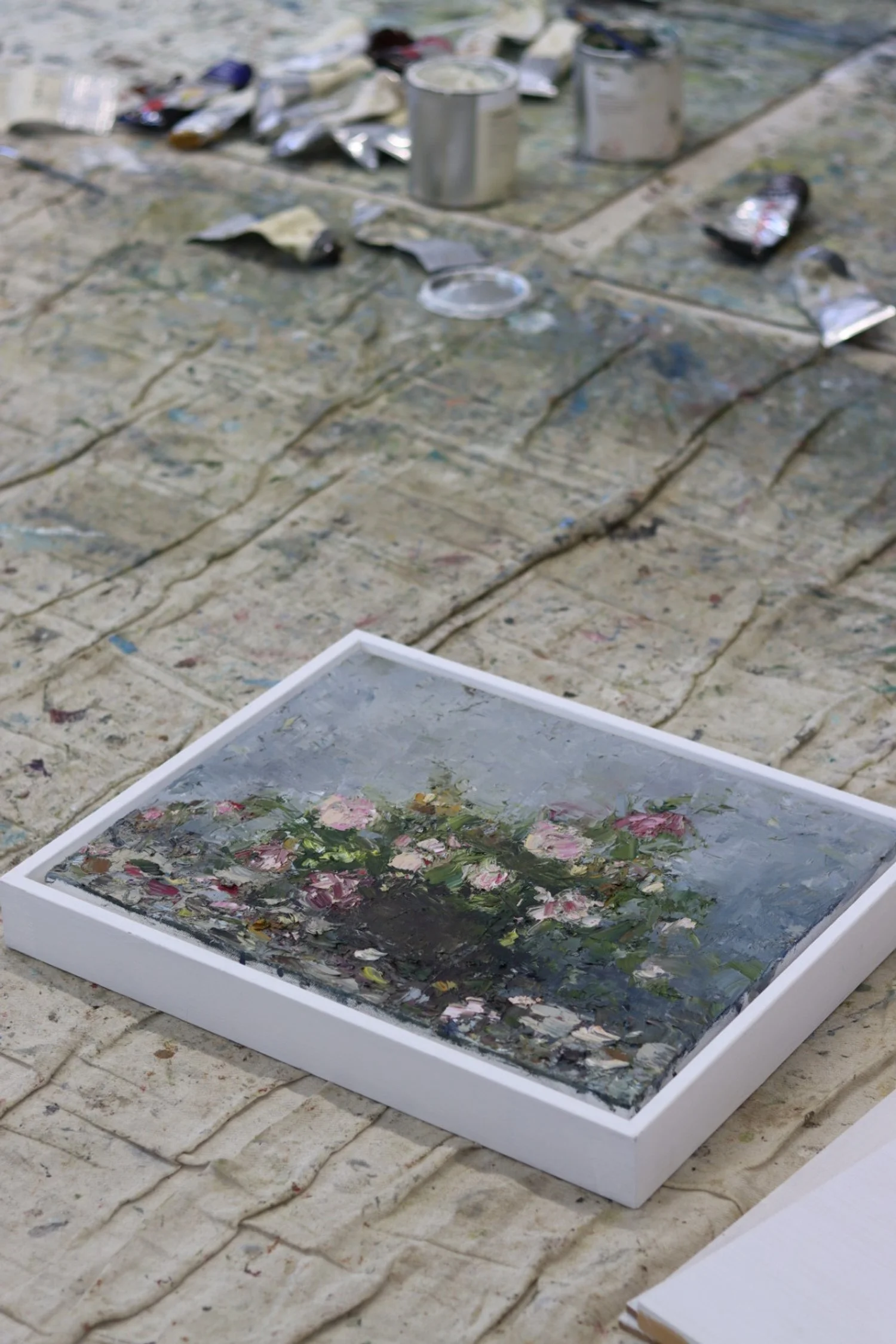
A selection of alla prima paintings. The video below shows me working on one of the pieces.